Source Mini Oled Digital Voltmeter Ammeter for Industrial Use
Compare 30 models of mini oled digital voltmeter ammeter with CE certification. These single-phase AC meters feature 0.1 accuracy, 22mm mounting, and LED indicators for industrial and home applications; compare the available evidence and request quotations based on your requirements.
Key considerations
Products List


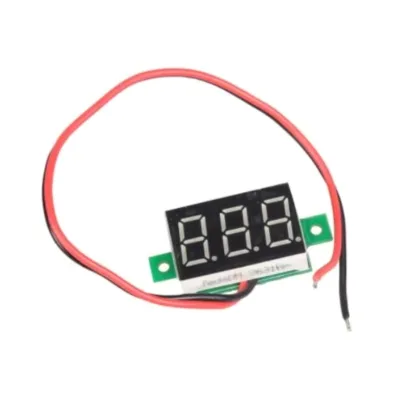


Comprehensive Sourcing Guide
Mini OLED Digital Voltmeter Ammeter Sourcing Guide
Procurement teams evaluating mini OLED digital voltmeter ammeters must first distinguish between single-phase digital display units and broader induction meter categories. The observed market data indicates a specific focus on single-phase digital instruments with mounting apertures of 22mm, designed for direct connection in industrial and home environments. Buyers should verify that the selected unit matches the required voltage range, typically observed between 60V and 500V AC, to ensure compatibility with existing electrical infrastructure.
When assessing product listings, it is critical to note that while some models feature customizable options, many standard units are listed as non-customized with fixed specifications. The supply chain often includes export packaging standards, with bulk quantities frequently packed at 500 pieces per carton or 10 pieces per box. Sourcing decisions should prioritize units that explicitly state their wiring method, such as the 220V live wire and neutral wire configuration with load pass-through, to avoid installation errors during deployment.
Product Scope and Observed Listing Signals
The current market for these instruments reveals a diverse range of display colors, including red, blue, green, yellow, and white, which allows for visual customization in control panels. Buyers must carefully cross-reference the specific model numbers, such as AD16-22VA or AD16-22A, against their technical requirements, as these identifiers often dictate the exact measurement capabilities and physical dimensions. The observed price range is broad, suggesting significant variation in component quality and feature sets, necessitating a detailed review of individual product descriptions before committing to a purchase order.
Listing signals also highlight the distinction between digital-only displays and those with indicator lights, though the core function remains voltage and current measurement. Some products are described with an accuracy class of 0.1, which is a critical differentiator for high-precision applications in electronic equipment. Procurement specialists should verify the stated frequency range, typically 0-99Hz, and ensure the unit supports the specific AC voltage measuring range required for the intended application, whether it is for general industry use or specific home utility monitoring.
Technical Specifications to Verify
Technical verification begins with confirming the power source and wiring method, as the supply data specifies AC meter operation with a 220V live wire and neutral wire setup. Buyers must ensure the selected device supports the required current range, often observed as 0-100A, and matches the voltage input of 60-500V AC. The mounting aperture is a fixed physical constraint, with 22mm being the standard dimension for the AD16 series, so panel cutouts must be prepared to exact specifications to ensure a secure fit.
Further scrutiny is required for the display technology and bulb type, as the market offers LED options with pure white color temperatures and various LED color choices for status indication. The accuracy class is a vital performance metric, with some units claiming 0.1 accuracy, which is essential for precise power monitoring in sensitive electronic equipment. Procurement teams should also validate the IP rating and body material, noting that some listings specify PC material for the lamp body, which impacts durability and environmental resistance in harsh industrial settings.
Compliance and Safety Documentation
Safety compliance is a non-negotiable aspect of sourcing electrical measurement instruments, and the available data confirms the presence of CE and RoHS certifications for many listed units. Buyers must request and verify these certificates for every batch, ensuring that the products meet the necessary European safety and environmental standards before they are deployed in any facility. The absence of these certifications in a product listing should be treated as a red flag, indicating potential non-compliance with international safety regulations and increasing liability risks.
In addition to general certifications, the warranty period serves as a key indicator of manufacturer confidence and product reliability, with observed terms extending up to 18 months. Procurement teams should explicitly include warranty coverage in their purchase agreements to protect against premature failures or manufacturing defects. It is also prudent to verify the origin of the products, as the data points to Zhejiang, China, as a primary manufacturing hub, and to ensure that the supplier can provide traceable documentation for all compliance claims.
Cost Drivers and Commercial Terms
Commercial negotiations for these instruments are heavily influenced by the customization status and the specific model selected, as prices are often listed as negotiable rather than fixed. Buyers should anticipate that units with higher accuracy classes or specialized display colors may command a premium, while standard non-customized models offer more competitive pricing. The minimum order quantity (MOQ) varies significantly, ranging from 1 to 1000 pieces, which allows for flexibility in procurement strategies but requires careful inventory planning to avoid overstocking or stockouts.
Packaging and logistics costs are also significant drivers, with export packaging and carton standards varying by supplier. The observed standard of 500 pieces per carton suggests that bulk orders will require specific handling and storage arrangements to prevent damage during transit. Procurement teams should clarify whether the quoted price includes export packing or if additional costs apply for specialized packaging requirements, as this can impact the total landed cost and the efficiency of the supply chain.
Supplier Qualification and Quality Control
Supplier qualification should focus on manufacturers who explicitly state their role as the producer rather than a trading company, as this often correlates with better quality control and direct technical support. The data indicates that many suppliers are based in China, specifically Zhejiang, and offer a range of products from digital voltmeters to frequency meters. Buyers should verify the supplier's ability to provide consistent quality, as the market includes products described simply as "good quality" without detailed performance metrics, making third-party audits essential.
Quality control processes must be rigorously defined, particularly regarding the accuracy class and the consistency of the digital display. Since the products are used in both industrial and home settings, the reliability of the measurement data is paramount. Procurement teams should request sample testing results to validate the claimed accuracy and ensure that the wiring methods and mounting apertures match the physical specifications provided in the product data sheets before approving a large-scale order.
Long-Term Procurement Checks
Long-term procurement success depends on establishing a reliable supply chain that can consistently deliver products with the required technical specifications and certifications. Buyers should monitor the stability of the supplier's production capabilities, especially given the variation in model numbers and the potential for customization requests. Regular audits of the supplier's quality management systems will help ensure that the products continue to meet the high standards required for industrial and home electrical equipment applications.
Finally, maintaining a clear record of warranty claims and product performance over time is essential for managing risk and optimizing future purchasing decisions. The 18-month warranty period observed in the market provides a baseline for expected product lifespan, but actual performance may vary based on usage conditions. Procurement teams should establish a feedback loop with the supplier to address any recurring issues promptly, ensuring that the mini OLED digital voltmeter ammeters remain a reliable component of the electrical monitoring infrastructure.
FAQs
What voltage range does this mini OLED digital voltmeter ammeter support?
Listed models support AC measuring ranges from about 60-500V, with one variant covering 20-500V. Current measurement spans 0-100A. Always confirm the exact range of the specific model you order, because different product pages list slightly different voltage and current specifications for this meter type.
Which mounting aperture size is used for these digital panel meters?
The meters use a standard 22mm mounting aperture, which fits common round panel cutouts used for indicator and meter installations. This makes replacement straightforward in existing panels. Verify your panel cutout diameter before ordering so the 22mm housing seats correctly and the mounting clip holds securely in service.
Can the display color of the digital voltmeter ammeter be customized?
Yes, customization is available, and display color can be specified from red, blue, green, yellow, or white LED options. Note that some listed items are marked non-customized, so availability depends on the specific listing. Discuss color requirements and any logo or packaging customization with the seller before confirming your order.
How is the meter connected in a single-phase circuit?
The wiring method is a 220V live wire and neutral wire connection, with the load passing through the meter so current is measured in series. This direct-connected setup suits single-phase electronic equipment and electric power applications. Follow the wiring diagram supplied with the meter and ensure safe isolation during installation.
What warranty and accuracy are offered for these digital meters?
Some listed models carry an 18-month warranty and an accuracy class of 0.1, which indicates a high-precision digital measurement. Warranty terms can vary between individual listings and product models, so confirm the exact warranty period and accuracy class applicable to the specific AD16 model you intend to purchase.
How are the meters packed for export orders?
Export packaging is used, with packing standards listed as 10 pieces per box and 500 pieces per carton depending on the model. Carton packing protects the meters during international shipping. If you need smaller inner boxes, custom labels, or different quantities per carton, confirm packaging options with the seller beforehand.
What certifications apply to these digital voltmeter ammeter products?
Certification listed across the product pages includes CE, and one listing also shows RoHS compliance. Certification can differ between models, so request copies of valid certificates for the exact model and batch before ordering. This matters especially for buyers who must meet regulatory requirements in their own markets or projects.
Can these meters measure frequency along with voltage and current?
Yes, one listed model, the AD16-22VAHZ, measures AC voltage, AC current, and frequency, with a frequency range of 0-99Hz. Standard models focus on voltage and current only. If frequency display is required, confirm the model number includes the VAHZ designation and verify the displayed parameters match your application needs.